您的位置:首页 > English
Chinese New Year, also known as Spring Festival, is the most significant traditional festival in China, marking the transition from the old lunar year to the new—this year, we embrace the Year of the Horse, bidding farewell to the Year of the Snake. Rooted in thousands of years of history and mythology, its customs carry profound cultural meanings, symbolizing family reunion, prosperity, and new beginnings. Let’s explore the most cherished traditions that define this joyous occasion.
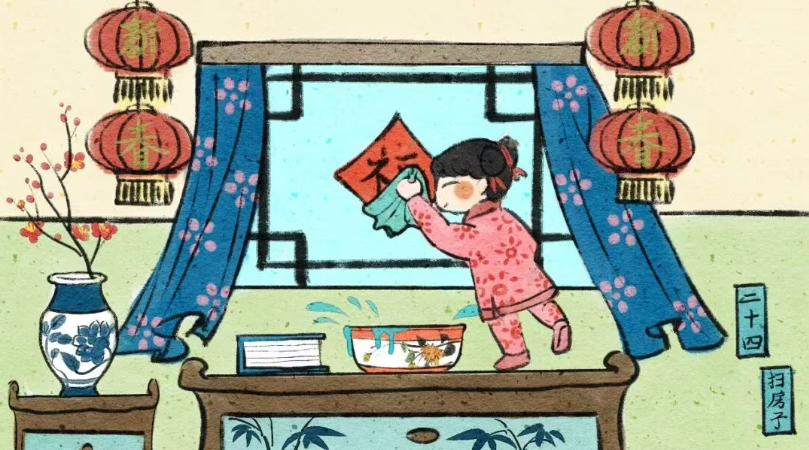
Pre-Festival Preparations: Welcoming the New Year
Weeks before the Lunar New Year’s Eve, families kick off preparations to "sweep away the old" and welcome freshness. Spring Cleaning (Saochen) is a must—every corner of the house is thoroughly cleaned, not just for hygiene, but also to sweep away bad luck and make space for good fortune. This tradition reflects the Chinese belief in starting anew with a pure and orderly environment.
Another iconic preparation is Pasting Spring Couplets (Chunlian) and New Year Paintings (Nianhua). Couplets are red scrolls inscribed with poetic lines, often featuring wishes for prosperity, happiness, and success. They are pasted on doorframes, with the top scroll (Hengpi) summarizing the blessings. New Year paintings, depicting gods, lucky animals, or scenes of harvest, adorn walls to bring joy and ward off misfortune. Red, the dominant color in all decorations, symbolizes energy, joy, and good luck in Chinese culture.
Lunar New Year’s Eve: The Heart of Reunion
New Year’s Eve is the climax of Spring Festival, centered on Family Reunion Dinner (Nianyefan). No matter how far they are, family members strive to gather around the table, sharing a feast of symbolic dishes. Dumplings (Jiaozi) are a staple in northern China—their crescent shape resembles ancient Chinese gold ingots, representing wealth. In southern China, glutinous rice cakes (Nian gao) are essential, as the phrase "nian gao" sounds similar to "promotion year after year" in Chinese. Other dishes like fish (Yu) carry the wish for "surplus year after year" (Niannian youyu), while braised pork symbolizes prosperity.
After dinner, families gather to watch the Spring Festival Gala, a national television event featuring music, dance, comedy, and traditional performances. Children eagerly await Red Envelopes (Hongbao), given by elders to wish them health and good luck. Staying up late (Shousui) is also a tradition, believed to bring longevity to elders and blessings for the new year.
Festivities During the New Year Holiday
The celebration continues for 15 days until the Lantern Festival. On the first day of the lunar new year, people wear new clothes and visit relatives and friends to exchange greetings (Bainian), wishing each other "Happy New Year" (Xinnian kuaile) and "Wish you prosperity" (Gongxi facai).
Dragon and Lion Dances are indispensable festive performances. Dragons, regarded as divine creatures that bring rain and prosperity, dance to the rhythm of drums and gongs, while lion dances symbolize courage and good fortune, often performed at temples, markets, and residential areas to drive away evil spirits.
On the 15th day, the Lantern Festival (Yuanxiao Festival) marks the end of the Spring Festival. People hang colorful lanterns, solve lantern riddles, and eat glutinous rice balls (Yuanxiao), symbolizing family unity and completeness.
Regional Characteristics and Modern Evolution
Chinese New Year customs vary across regions. In northern China, dumplings are the centerpiece of the reunion dinner, while in the south, dishes like rice cakes, braised abalone, and taro are more common. In Guangdong province, people visit flower markets (Huachang) to buy peach blossoms and kumquat trees, symbols of vitality and good luck. In Sichuan, families enjoy hot pot during the reunion dinner, adding a spicy twist to the celebration.
With the development of society, traditions have evolved while retaining their essence. Modern families may use video calls to reunite with relatives overseas, and digital red envelopes sent via mobile apps have become popular among young people. However, the core values of family reunion, respect for elders, and hope for a better future remain unchanged.
Chinese New Year is not just a festival, it’s a cultural heritage that binds generations of Chinese people. Its customs carry the nation’s wisdom, emotions, and aspirations, making it a vibrant and cherished part of Chinese culture that continues to be celebrated around the world.